
Why Construction Surface Protection Matters
- info878003
- Oct 13, 2025
- 3 min read
When you’re managing a busy site, every detail counts. Protecting your floors is not just about keeping things clean. It’s about saving time, cutting costs, and maintaining a professional image. I’ve seen firsthand how investing in the right floor protection can make a huge difference. Let me walk you through why construction floor safeguarding is essential and how it can benefit your projects.
The Importance of Construction Floor Safeguarding
Floors take a beating during construction. Heavy equipment, foot traffic, spills, and debris all contribute to wear and tear. Without proper protection, you risk:
Permanent damage like scratches, stains, and cracks
Increased cleaning and repair costs
Delays caused by having to fix floors before handover
A poor impression on clients and inspectors
Using quality floor protection sheets creates a barrier that absorbs impact and prevents dirt from settling. This means you keep your floors looking new and reduce the need for costly repairs later. It’s a simple step that pays off in the long run.

How Construction Floor Safeguarding Saves You Time and Money
Time is money on any project. When floors are left unprotected, you face extra cleaning and repair work. This can push back deadlines and increase labour costs. Here’s how safeguarding floors helps:
Speeds up site clean-up by preventing dust and debris from embedding in surfaces
Reduces repair expenses by avoiding scratches and stains
Minimises downtime since floors stay intact and ready for use
Protects your reputation by delivering a polished, professional finish
For example, on a recent renovation, using protective sheets saved the team days of cleaning and prevented damage to expensive hardwood floors. The client was impressed, and the project finished on schedule.

How does surface protection work?
Surface protection works by creating a physical barrier between the floor and potential hazards. These barriers come in various materials, each suited to different needs:
Heavy-duty plastic sheets for waterproofing and impact resistance
Cardboard or paper-based products for light foot traffic and dust control
Foam-backed films that cushion and protect delicate surfaces
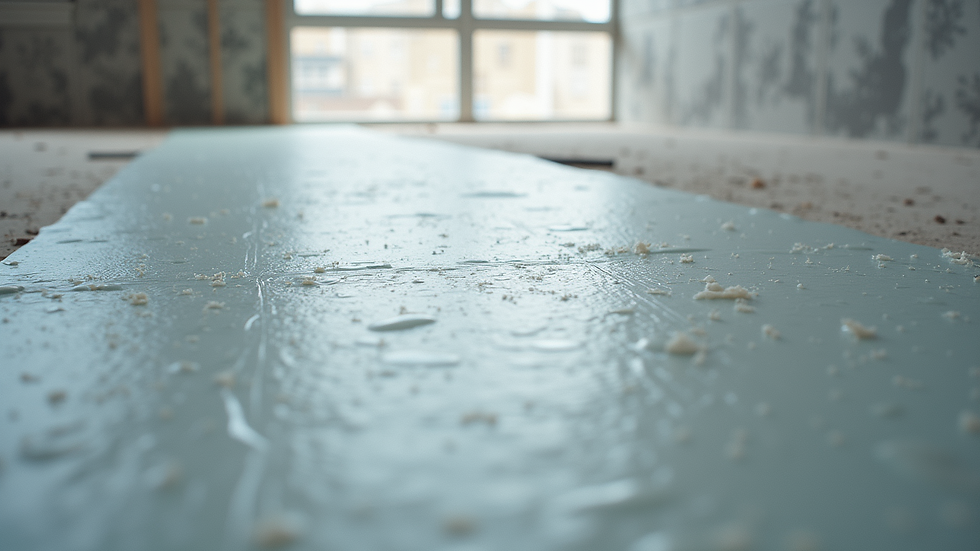
The key is choosing the right product for your floor type and the level of protection required. Installation is straightforward - just roll out or lay the sheets over the floor, securing edges if needed. This stops dirt, paint, and tools from damaging the surface beneath.
The protective layer also makes cleaning easier. Instead of scrubbing floors, you simply remove the sheets once work is done. This saves time and keeps floors pristine.
Choosing the Right Floor Protection for Your Project
Not all floor protection is created equal. You want a product that matches your site’s demands. Consider these factors:
Durability - Will it withstand heavy machinery and foot traffic?
Water resistance - Is the floor prone to spills or moisture?
Ease of installation and removal - Can your team quickly apply and remove it?
Surface compatibility - Will it protect hardwood, tile, concrete, or carpet without damage?
Environmental impact - Is the product recyclable or reusable?
For tough, reliable options, I recommend checking out construction surface protection. They offer a range of sheets designed specifically for construction and renovation sites across the UK. Their products balance strength with convenience, helping you keep your floors safe without slowing down your work.
Best Practices for Using Floor Protection Effectively
To get the most from your floor protection, follow these tips:
Clean the floor first to remove dust and debris before laying sheets
Overlap edges to prevent gaps where dirt can sneak in
Secure edges with tape or weights to stop movement
Inspect regularly and replace damaged sections immediately
Remove protection carefully to avoid pulling up floor finishes
By treating floor protection as a critical part of your workflow, you’ll avoid costly mistakes and keep your site running smoothly.
Protect Your Investment and Reputation
Floors are a major investment. Damaged floors mean extra costs and unhappy clients. Using floor protection sheets is a smart, proactive step that shows you care about quality and professionalism. It also helps you build a reputation as a reliable contractor who delivers projects on time and in excellent condition.
If you want to keep your work areas safe and clean, consider investing in trusted floor protection solutions. They’re a small cost compared to the benefits of avoiding damage and delays.
Floor safeguarding is more than just a precaution. It’s a strategic move that saves you time, money, and stress. When you protect your floors, you protect your project’s success. Take the step today and see the difference it makes on your next job.


Comments